Villa or Condo for a Second Home in Panama? Costs, HOA, Rental Rules and Lifestyle (2026 Guide)
For a second home you will use a few months a year, a condo is usually the better fit in Panama: the building handles security and maintenance while you are away, and HOA fees in Panama City run about $1.50 to $3.00 per square meter a month. A villa gives you space, privacy and a garden, but someone has to look after it when you are not there, so expect higher running costs or a gated community fee of roughly $200 to $600 a month. A villa inside a managed gated community sits between the two and is often the best compromise for part-time owners.
Table of Contents
- Three property types, not two
- What each costs to buy
- HOA fees and the horizontal property law
- Upkeep while you are away
- Renting it out when you are not using it
- Lifestyle: how each one feels to live in
- Common mistakes second-home buyers make
- Frequently Asked Questions
Three property types, not two
The villa-or-condo question usually hides a third option, and for second-home buyers it is often the right one.
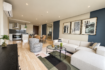
A condo is a unit in a building governed by a horizontal property regime. You own your apartment outright and share ownership of the common areas with the other owners. The building has staff, security and a maintenance fee.
A standalone villa sits on its own titled land, outside any community. You own the house and the plot, with no shared fees and no building rules. You also carry every cost and every decision yourself.
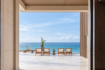
A villa in a gated community is a house on its own plot inside a managed development, such as a golf or beach resort. You get the space of a house plus shared security, landscaping and amenities, paid for through a community fee.
For an owner who is in Panama for part of the year, the difference between the second and third options matters more than the difference between a villa and a condo.
What each costs to buy
City condos are the most predictable purchase. A 95 square meter two-bedroom typically ranges from about $168,000 to $266,000 in El Cangrejo up to $209,000 to $409,000 in Punta Pacifica, and the full neighborhood breakdown is in our Panama City condo prices guide. At the upper end, luxury condos in the newest towers run well past those figures.
Villas vary far more, because land, view and finish all move the price. Coronado gives a useful reference:
| Property type (Coronado area) |
Typical range
|
|---|---|
| Townhomes and smaller homes in gated communities | $150,000 to $280,000 |
| Mid-range houses in residential zones | $200,000 to $450,000 |
| Residential lots inside Coronado Golf and Beach Resort | $80,000 to $200,000 |
| Beachfront villas and luxury homes | $450,000 to $1,500,000 and up |
Our Coronado buying guide explains how location within Coronado changes these numbers.
Buying a lot and building is common in gated communities, and it can be good value, but it adds time, a construction budget and an architectural review process to a purchase that a second-home buyer often wants to keep simple.
HOA fees and the horizontal property law
Condos and many gated communities in Panama are governed by the horizontal property regime, set out in Ley 284 of 14 February 2022, which replaced the earlier Ley 31 of 2010. Each building or community also has its own reglamento de copropiedad, the rulebook that sets fees, use restrictions, pet rules, renovation rules and, importantly for second-home owners, whether and how units may be rented.
Typical fees:
| Property type |
Typical maintenance fee
|
|---|---|
| Panama City condo | About $1.50 to $3.00 per m² per month, or $142 to $285 a month on 95 m² |
| Villa in a resort community (Coronado Golf and Beach Resort) | About $200 to $600 a month |
| Standalone villa | No fee, but you pay for every service directly |
Three points about the horizontal property regime that matter to part-time owners:
The rules are set by the owners. A building’s assembly can tighten rental rules after you buy. Read the current reglamento and the recent assembly minutes, not just the sales brochure.
Fees can rise, and special assessments happen. Ask for the building’s financial statements and the size of its reserve fund. A low fee with no reserve often means a large assessment later.
The law is still settling. The regulations implementing Ley 284 were still pending in 2026, and some of its articles have been challenged in court. Your attorney should confirm how the current rules apply to the specific property.
Upkeep while you are away
This is the question that should decide most second-home purchases.
A condo largely looks after itself. The building’s staff handle security, the common areas and the structure. Before you leave, you turn off the water heater, set the air conditioning or a dehumidifier, and leave a key with the administration or a property manager. A neighbor, staff member or manager can check the unit if anything happens.
A standalone villa needs a plan. Someone has to tend the garden and pool, check for leaks after storms, keep humidity under control, and make the property look occupied. In practice that means paying a caretaker or a management company, and those costs continue whether you are there or not. Humidity is a constant issue in a closed house, and coastal homes add salt-air wear on metal and outdoor equipment.
A gated-community villa splits the difference. The community handles perimeter security, common landscaping and often the amenities. You still need someone for the house itself, but the security risk and much of the exterior work are shared.
If you are not sure you will use a second home enough to justify any of this, our guide on renting versus buying in Panama City shows when renting for a season or two is the better first step.
Renting it out when you are not using it
Rental income can offset the cost of a second home, but the rules depend on both the location and the property type.
In Panama City, renting a residential unit for less than 45 consecutive days is not permitted within the District of Panama, except in buildings registered as hotels, licensed mixed-use commercial zones and designated tourism zones such as Casco Viejo. A city condo used as a second home can usually be rented only on longer leases, which does not suit an owner who wants to use the unit for a few weeks at a time. Our page on short-term rental rules sets out the exceptions.
There is also a route through hotel operators: owners in some buildings place their unit in a rental program run by a licensed hotel operator, which handles guests and licensing. Whether that is available depends entirely on the building.
Outside the District of Panama, in beach and mountain communities, the 45-day rule does not apply, so nightly rental is common. Even there, a community’s reglamento can restrict or regulate it.
By property type: condos are easier to rent through a manager because the building is already secured and serviced. Villas can command higher nightly rates for groups and families, but carry more wear, cleaning and liability. Our rental yields by neighborhood put Coronado at about 5 to 7 percent gross in peak season, with management fees of 15 to 25 percent for short-term letting against 8 to 12 percent for long-term.
Lifestyle: how each one feels to live in
Condo life in Panama City means walking to restaurants, a gym and a pool in the building, staff at the door, and the airport within reach. It suits buyers who want convenience and who spend their time in the city.
Villa life means space, privacy, outdoor living and a garden. In a golf community such as Coronado’s, it also means a social life built around the club. Our guide to golf in Coronado shows what that looks like in practice.
Mountain gated communities offer a third lifestyle: cooler air and a quieter pace. Our guide to Altos del Maria covers one of the larger gated mountain developments within reach of the capital.
A second home can also support a residency application. Real estate is one of the routes that can satisfy the economic requirement of the Friendly Nations visa for eligible nationalities, and our guide to the Friendly Nations visa rules for 2026 covers the requirements. Confirm the current investment threshold with an immigration attorney before you rely on it, since thresholds have changed.
Common mistakes second-home buyers make
Buying the dream villa without a caretaking plan. The property you visit for six weeks a year needs attention for the other 46.
Assuming you can rent the condo nightly. In most of Panama City you cannot. Check the zone and the building’s rules first.
Reading the brochure, not the reglamento. The building’s rulebook decides rentals, renovations and pets, and owners can change it by vote.
Ignoring the reserve fund. A low HOA fee in a building with no reserve can mean a large special assessment.
Underestimating humidity. Closed homes in a tropical climate need dehumidifying and airing, or mold appears.
Choosing the property before the lifestyle. Decide whether you want city convenience, beach, golf or mountains first, then choose the property type that suits it.
If you want a second opinion on a specific condo or villa, talk to an advisor before you reserve it.
Frequently Asked Questions
1. Is a condo or a villa better for a second home in Panama?
For most part-time owners, a condo, because the building handles security and maintenance while you are away. A villa suits owners who will spend long periods in Panama and want space and privacy. A villa in a managed gated community is often the best compromise, combining a house with shared security and upkeep.
2. How much are HOA fees in Panama?
In Panama City condos, about $1.50 to $3.00 per square meter per month, which is roughly $142 to $285 a month on a 95 square meter unit. In resort communities such as Coronado Golf and Beach Resort, fees typically run $200 to $600 a month, depending on property size and amenities.
3. What is the horizontal property law in Panama?
It is the legal regime for buildings and communities with shared ownership of common areas, currently set out in Ley 284 of 14 February 2022, which replaced Ley 31 of 2010. Each property also has its own rulebook, the reglamento de copropiedad, which sets fees and use rules, including rentals.
4. Can I rent out my second home in Panama when I am not there?
Yes, within the rules. In the District of Panama, rentals under 45 consecutive days are restricted except in hotel-registered buildings, licensed mixed-use commercial zones and tourism zones such as Casco Viejo. Outside the District, nightly rental is common, but the community’s own rules can still limit it.
5. Who looks after a villa in Panama when I am abroad?
Usually a caretaker or a property management company, paid monthly. In a gated community the security and common areas are covered by the community fee, but the house, garden and pool still need someone. Plan this cost before you buy.
6. Can a second home in Panama help me get residency?
It can. Real estate is one of the routes that can meet the economic requirement of the Friendly Nations visa for citizens of eligible countries. The required investment has changed over time, so confirm the current figure with an immigration attorney before buying for this purpose.