Buying an Investment Property in Panama: A Worked Example, All-In Costs and How to Get a Quote (2026 Guide)
A furnished two-bedroom condo in Costa del Este bought for $350,000 and let on a long lease at $2,000 a month earns a gross yield of about 6.9 percent on the price. After closing costs, furnishing, one month of vacancy a year, management, HOA fees, property tax, insurance and maintenance, the net return on the total cash invested is about 3.5 percent, or about 4 percent if the unit carries a new-construction property tax exemption. Selling later costs the seller about 10 percent of the price. Panama rental property can be profitable, but the yield you keep is well below the headline figure, and a short hold rarely pays.
Table of Contents
- The property in this example
- What it costs to buy
- What it earns each year
- What it costs to own each year
- The bottom line: net yield
- The cost of getting out
- How the numbers change with different choices
- Common mistakes in investment property math
- How to get a projection for a specific property
- Frequently Asked Questions
The property in this example
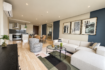
This is one property, costed line by line, so you can see where the money goes. Every figure is an assumption drawn from current Panama Elite Homes market data. Change the assumptions and the result changes, which is the point of laying them out.
| Assumption | Value |
|---|---|
| Location | Costa del Este, Panama City |
| Unit | Two-bedroom, 95 m², furnished |
| Purchase price | $350,000 |
| Rental strategy | Long-term lease to a corporate or professional tenant |
| Monthly rent | $2,000 |
| Owner | Individual investor, not living in the unit |
| Financing | Cash |
Costa del Este suits this example. It is a planned neighborhood with steady demand from families and corporate tenants, and two-bedroom units rent for about $1,500 to $2,200 a month. It is also inside the District of Panama, where rentals under 45 consecutive days are restricted, so long-term letting is the realistic model. Our page on short-term rental rules explains why.
What it costs to buy
| Cost | Amount |
|---|---|
| Purchase price | $350,000 |
| Buyer closing costs (legal, notary, Public Registry, escrow) | $9,000 |
| Furnishing to rental standard | $20,000 |
| Total cash invested | $379,000 |
Buyer closing costs in Panama typically run 2 to 3.5 percent of the price, which is $7,000 to $12,250 here; the example uses $9,000. The seller pays the transfer tax and the capital gains advance. Our closing costs breakdown shows how each line is calculated.
Quality furnishing for a rental typically costs $15,000 to $30,000. Furnished units rent for meaningfully more than unfurnished ones, and furnishing usually pays for itself within a year or two.
What it earns each year
| Income | Amount |
|---|---|
| Rent, 12 months at $2,000 | $24,000 |
| Less one month of vacancy between tenants | minus $2,000 |
| Rent collected | $22,000 |
$24,000 a year on a $350,000 price is a gross yield of 6.9 percent, inside the 5 to 7 percent range for Costa del Este in our rental yields by neighborhood. Gross yield is the figure most often quoted. The rest of this example shows why it overstates what an investor keeps.
One month of vacancy a year is a planning assumption. Corporate leases often run 12 to 24 months, so a well-located unit may sit empty for less, but budgeting for some gap between tenants is prudent.
What it costs to own each year
| Annual cost | Amount | Basis
|
|---|---|---|
| Property management | $2,200 | 10% of rent collected; long-term management runs 8 to 12% |
| HOA maintenance fee | $2,850 | $2.50 per m² a month on 95 m² |
| Property tax | $2,120 | Non-primary residence bands, see below |
| Insurance | $600 | Contents and liability |
| Maintenance and repairs reserve | $1,000 | Appliances, air conditioning, wear |
| Total annual costs | $8,770 |
Property tax. Because the investor does not live in the unit, it does not qualify for the primary residence exemption. Under the non-primary schedule, the first $30,000 of value is exempt, the band from $30,000 to $250,000 is taxed at 0.6 percent, and the band from $250,000 to $500,000 at 0.8 percent. On $350,000, that comes to about $2,120 a year. If the building is new and the unit carries a new-construction exemption on the improvement, the tax for the exemption period can be far lower, because only the land is taxed.
Income tax. Rental income from Panamanian property is Panama-source income and is taxable in Panama at progressive individual rates. Management fees, maintenance, HOA dues, insurance and depreciation are deductible, so the taxable figure is well below rent collected. On this example the Panama tax bill would be modest, but confirm it with a Panamanian accountant. Buyers from the United States also report this income at home, and owning foreign property, accounts or companies can trigger extra filings; our guide to FBAR and FATCA for Panama property owners covers the basics.
The bottom line: net yield
| Without exemption | With new-construction exemption
|
|
|---|---|---|
| Rent collected | $22,000 | $22,000 |
| Annual costs | minus $8,770 | minus $6,650 |
| Net operating income | $13,230 | $15,350 |
| Net yield on $379,000 invested | 3.5% | 4.1% |
The gap between the 6.9 percent gross yield and the 3.5 percent net yield comes from three places: costs that gross yield ignores, such as vacancy, management, HOA and tax; furnishing and closing costs, which raise the amount invested; and measuring the return on all the cash you put in, not just the purchase price.
None of this makes the investment a poor one. It makes the comparison honest. Before income tax, a 3.5 to 4 percent cash return on a dollar-denominated asset sits alongside any change in the property’s value.
The cost of getting out
Selling is where many investors are surprised.
| Seller cost on a $350,000 sale | Amount
|
|---|---|
| Transfer tax, 2% | $7,000 |
| Capital gains advance, 3% | $10,500 |
| Agent commission, about 5% | $17,500 |
| Total | $35,000, about 10% of the price |
The 3 percent capital gains advance is a prepayment reconciled against the actual gain, so on a sale with little gain part of it may be recoverable, but expect that process to take time.
Add the buyer’s closing costs at the start, and the round trip of buying and later selling costs roughly 12 to 13 percent of the price. The property has to earn and appreciate enough to cover that before the investment is ahead. That is why investors in Panama generally plan to hold for several years, and why a quick resale rarely works.
How the numbers change with different choices
A different neighborhood. Gross yields vary by area: about 6 to 9 percent in El Cangrejo, 5 to 8 percent in Punta Pacifica and 3 to 5 percent in Santa Maria. Lower prices often mean higher yields, but also different tenants and resale prospects. Our guides to Panama real estate investment and to the 2026 investment market compare the main areas.
Buying with a tenant in place. A unit already let gives you income from day one and a payment history to check. Our guide to buying a rented apartment in Costa del Este covers what to review in the existing lease.
Short-term rental instead. Outside the District of Panama, in beach towns and tourism zones, nightly rental is possible and gross income can be higher. Operating costs also rise, to roughly 35 to 55 percent of gross revenue against 20 to 30 percent for long-term leases, and income becomes seasonal.
A mortgage. Borrowing changes everything: less cash in, interest as a cost, and a return on your own cash that can be higher or lower depending on the rate. Run the numbers both ways.
Residency. Some buyers invest partly to qualify for residency. Thresholds for the Qualified Investor program changed in 2026, with different rules reported for new and resale property, so confirm the current requirements with an immigration attorney. Our guide to the investor visa pathway covers the program.
For a wider view of the expat investor market, see our guide to Panama property investment for expats.
Common mistakes in investment property math
Quoting gross yield as the return. It leaves out every cost of ownership.
Leaving furnishing and closing costs out of the cash invested. They are part of what you put in.
Assuming no vacancy. Even good units sit empty between tenants.
Using the primary residence tax rate on an investment. Investment units are taxed on the non-primary schedule.
Ignoring exit costs. Selling costs the seller about 10 percent of the price.
Planning nightly rentals in Panama City. The 45-day rule restricts this across most of the District of Panama.
Forgetting home-country tax. Rental income abroad is usually reportable where you live as well.
If you want these numbers run for a property you are looking at, talk to an advisor.
How to get a projection for a specific property
We prepare rental projections for buyers considering a specific property or area. To make one useful, send us:
- your budget, and whether you will buy with cash or a mortgage,
- the areas or specific listings you are considering,
- long-term or short-term rental, or personal use for part of the year,
- how long you plan to hold,
- whether residency is part of the plan, and
- whether you want the property managed for you.
With that, we can set out the same line-by-line picture as this example for your property, using current rents, fees and taxes for that building and area.
Frequently Asked Questions
1. Are rental properties in Panama profitable?
They can be. Gross yields in Panama City typically run 5 to 9 percent depending on the area. After vacancy, management, HOA fees, property tax, insurance and maintenance, and counting furnishing and closing costs in the amount invested, net returns are lower, around 3.5 to 4 percent in the Costa del Este example in this guide, before any change in the property’s value.
2. What is a good rental yield in Panama?
Gross yields of about 5 to 7 percent are typical for established Panama City neighborhoods such as Costa del Este, with El Cangrejo higher at about 6 to 9 percent. Always ask whether a quoted yield is gross or net, and what costs it includes.
3. What are the costs of owning a rental property in Panama?
The main annual costs are HOA maintenance fees, property management, property tax, insurance, repairs and vacancy. In the example in this guide they total about $8,770 a year on a $350,000 condo, plus income tax on the net rental income.
4. Do I pay tax on rental income in Panama?
Yes. Rental income from Panamanian property is Panama-source income, taxed at progressive individual rates after deductible costs such as management, maintenance, HOA fees, insurance and depreciation. Confirm your position with a Panamanian accountant, and check your obligations at home as well.
5. How much does it cost to sell property in Panama?
About 10 percent of the price for the seller: a 2 percent transfer tax, a 3 percent capital gains advance and an agent commission of about 5 percent. Part of the capital gains advance may be recoverable if the actual gain is small.
6. How do I get a quote for an investment property in Panama?
Send us your budget, financing, target areas, rental strategy, holding period and whether you want management or residency. We will prepare a line-by-line projection for the specific property.